
Starting from:
$2.22
📓 LESSON 2.6 – Notes
Lesson 2.6 Notes (PDF) — LABOR, CULTURE, & ECONOMY OF AMERICAN SLAVERY
Uncover the skilled labor, cultural resilience, and economic machinery behind American slavery with this guided notes slide deck for Unit 2 of the AP African American Studies course. Lesson 2.6 examines the three types of enslaved labor, the gang and task labor systems, the cultural traditions enslaved people preserved and transformed, and how slavery shaped the U.S. economy and the racial wealth gap that persists today.
📝 What's Included:
- ✅ 41 Total Slides Guided Notes Slide Deck (PDF + printable)
- 🖥️ Link to Editable version (Google Slides)
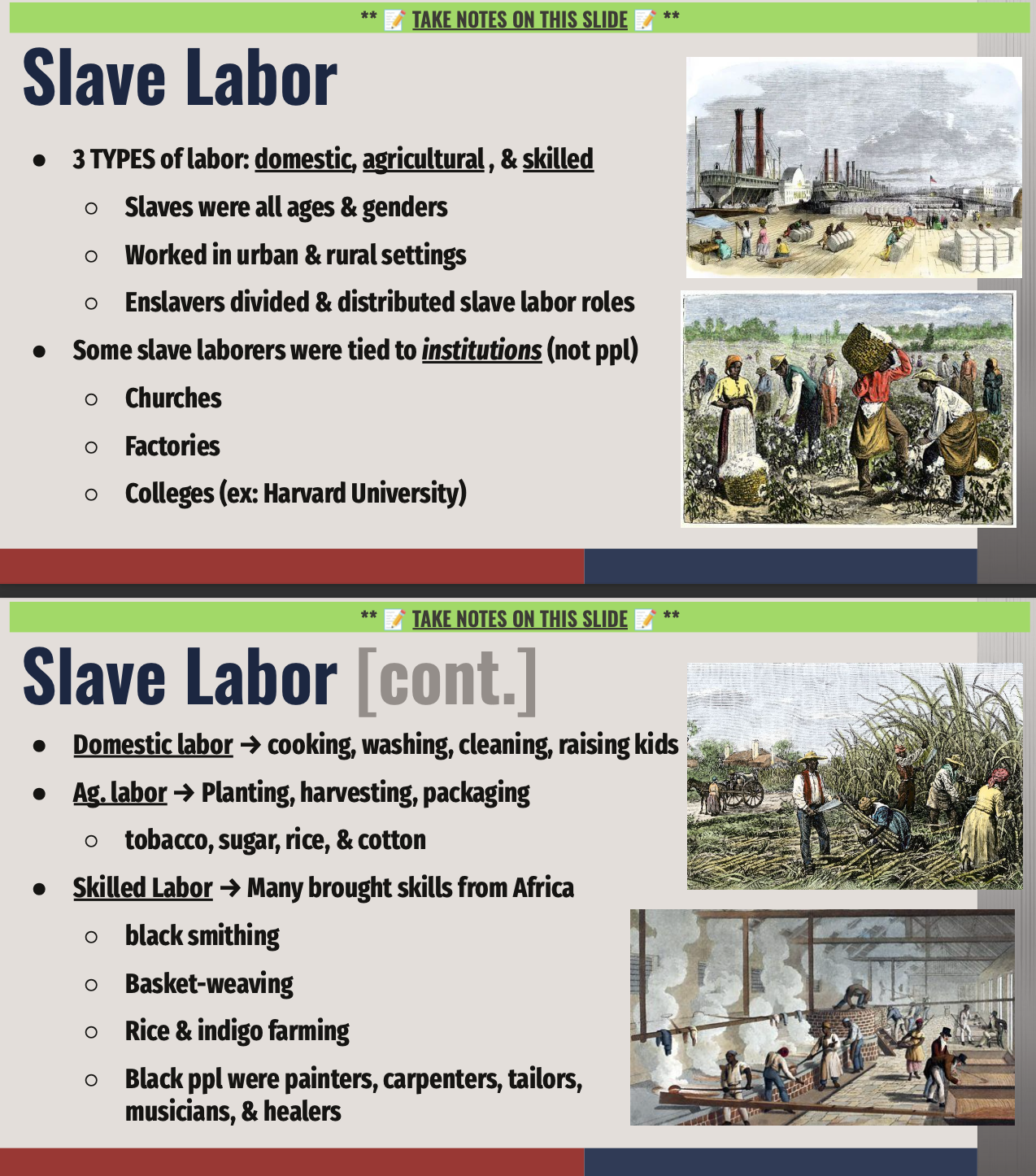
- 🛠️ Overview of domestic, agricultural, and skilled enslaved labor, including institutional slavery (churches, factories, colleges)
- 🧺 Primary source analysis of a Rice Fanner Basket (c. 1863) and a New Orleans "Valuable Slaves" auction broadside
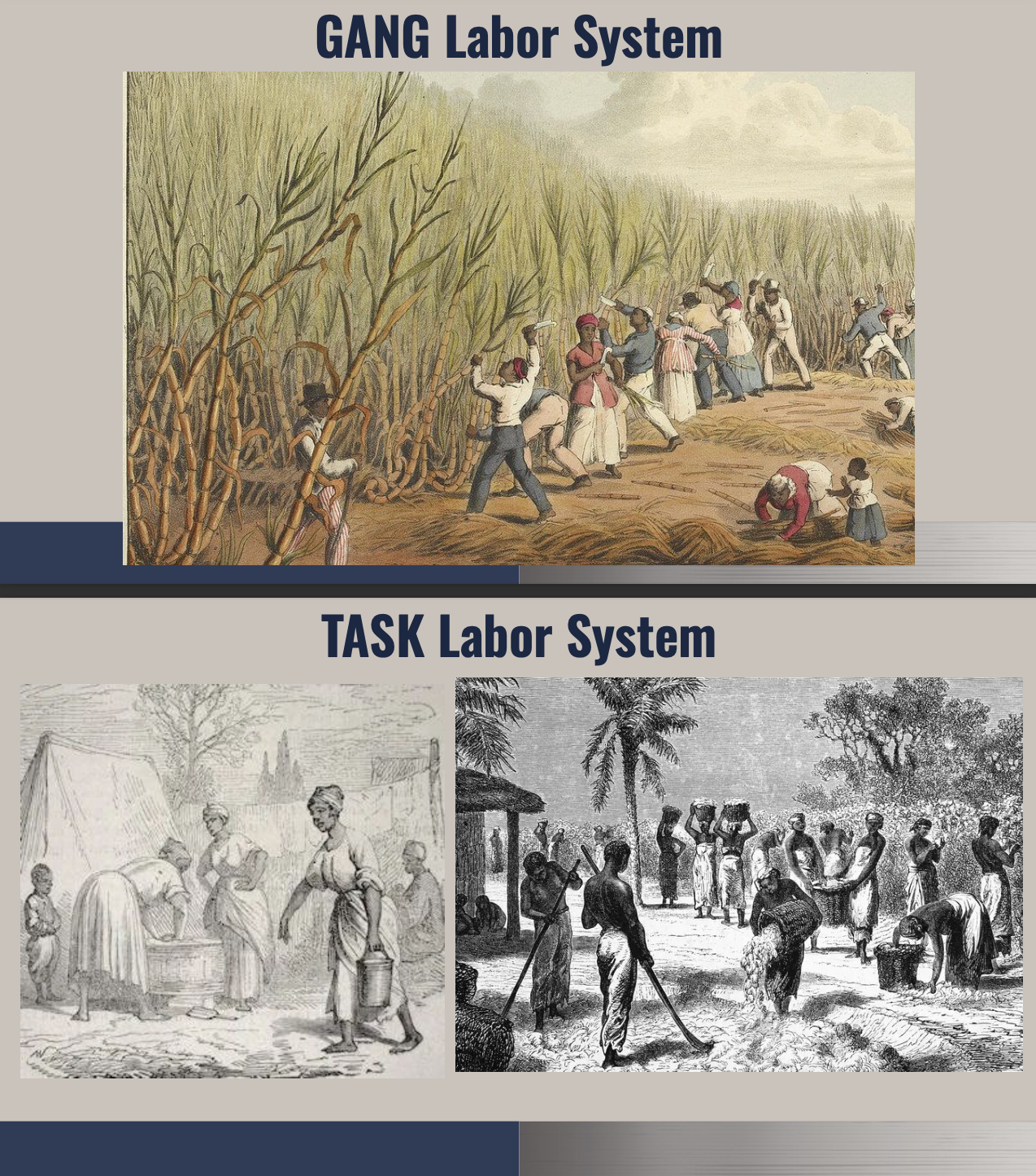
- ⚙️ Comparison of the gang and task labor systems and their cultural impact
- 🎥 Multiple film scene discussions from Twelve Years a Slave, plus videos on Harvard's ties to slavery and the Gullah Geechee people
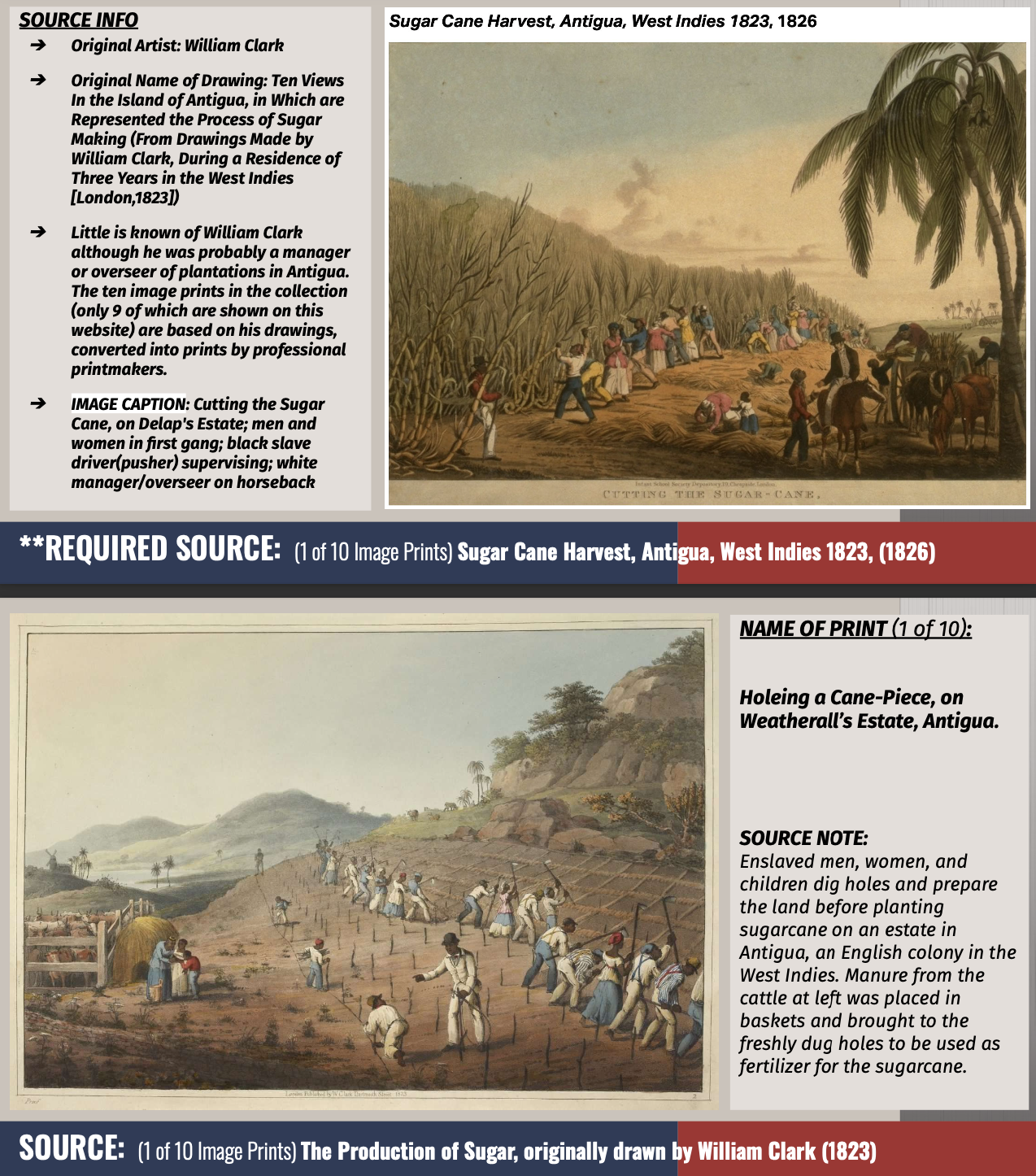
- 🖼️ Ten-print visual source set on sugar production in Antigua (1823), with gang vs. task labor identification
- 📊 Secondary source reading: "The Evolution of African American Music" by Portia K. Maultsby (1980)
- 🧠 Guided note-taking and source analysis prompts throughout
📚 Students Will Learn About:
- 🧵 The three types of enslaved labor — domestic, agricultural, and skilled — and the specialized crafts enslaved people brought from Africa
- 🧺 How the Rice Fanner Basket and rice cultivation reflect the transfer of African agricultural and artistic knowledge to the Americas
- ⚙️ The gang labor system versus the task labor system, and how each shaped different forms of cultural preservation
- 🎶 How work songs under the gang system helped preserve African musical traditions and gave rise to jazz, blues, and hip-hop
- 🌾 How the task system allowed communities like the Gullah Geechee to retain African language and culture
- 🏫 Harvard University's historical ties to and economic benefit from slavery
- 💰 How slavery built U.S. economic interdependence between North and South, and its lasting legacy in the racial wealth gap
🎯 Perfect For:
- ✔ AP African American Studies (Topic 2.6)
- ✔ 9th–12th Ethnic Studies, African American History, or U.S. History enrichment
- ✔ Black History Month or African American history lessons
- ✔ Primary source and visual analysis, economic history connections
- ✔ Lessons exploring enslaved labor systems, cultural resilience, and the economics of slavery
📎 Formats:
✅ Ready-to-print PDF
✅ Includes link to Editable Google Slide Deck
✅ Class-ready in 15 minutes or less
✅ Download once. Use every year.
🖥️📝 LESSON 2.6 NOTES PREVIEW:

...
To view and edit the full slide deck, make a one-time purchase and own these documents for life!